
Hunting
How to Make Your Property More Attractive to Hunting Lease Tenants
Practical improvements that make hunting land easier to understand, use, and book.
By Paul Cignarella · Published 2026-08-23 · 4 min read
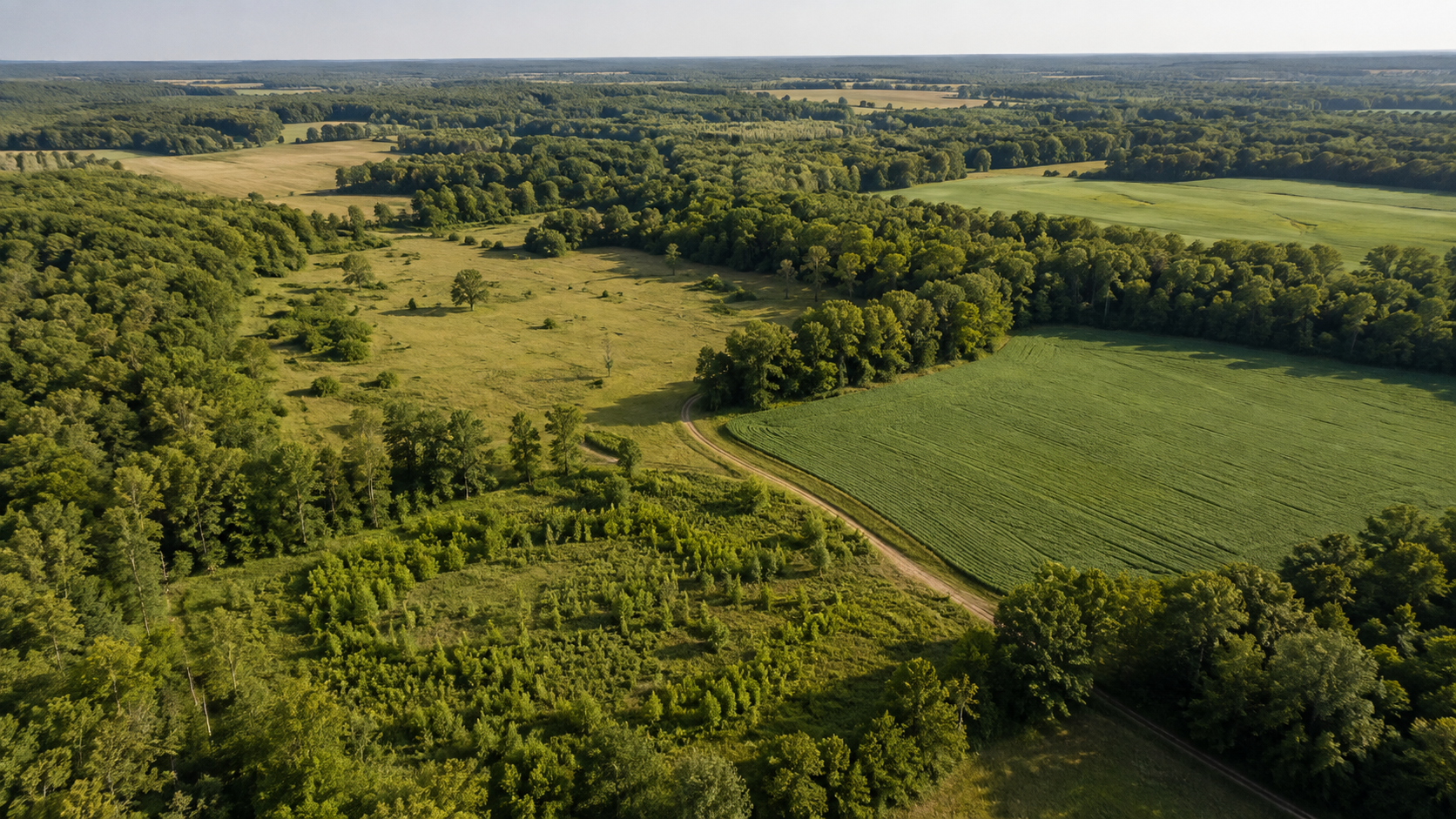
You do not need to own a professionally managed hunting preserve to have land that hunters may want to lease.
Hunters are often looking for something much simpler: usable ground, clear rules, dependable access, good habitat, and a landowner who communicates.
If you have acreage that could support hunting, a few practical improvements can make the property easier to understand, easier to hunt, and easier to market.
Browse or list hunting land through ShantyBB
Start With Clearly Marked Boundaries
One of the first things a potential tenant wants to know is exactly where they can hunt.
Property boundaries should be clearly explained before someone books or signs a lease.
If possible, provide:
- A property map
- Clearly identified access points
- Parking locations
- Areas that are off-limits
- Neighboring homes or sensitive areas
- Gates and road locations
Hunters should not have to guess where the property ends.
Clear boundaries help protect the landowner, the hunter, and neighboring property owners.
Make Access Simple
You do not necessarily need miles of improved roads.
You do need a clear plan for how tenants enter and use the property.
Identify where hunters should park and which roads or trails they may use. If certain areas become difficult during mud season, snow, or heavy rain, explain that upfront.
If ATVs or UTVs are permitted, clearly state where they can be operated.
If motorized access is prohibited, say so.
The easier it is for a hunter to understand how the property works before arriving, the better the experience usually is for everyone.
Show Hunters What the Property Actually Offers
Good hunting-property listings should provide more than an acreage number.
Describe the habitat.
Does the property include:
- Hardwood timber
- Thick cover
- Agricultural fields
- Wetlands
- Creek bottoms
- Clear-cuts
- Pasture
- Food plots
- Existing trails
- Elevated terrain
- Water sources
You do not need to promise that hunters will harvest game.
In fact, you should not.
Instead, accurately describe the land and allow prospective tenants to decide whether it fits what they are looking for.
Provide Useful Photos
Hunters want to see the ground.
Photos of a beautiful farmhouse are fine if it is relevant to the rental, but someone leasing land primarily wants to understand the terrain.
Useful photos might show:
- Fields
- Timber
- Trails
- Access roads
- Parking
- Existing blinds or stands
- Creek crossings
- Habitat transitions
- Views from likely hunting areas
Recent trail-camera photos may also provide useful context if you choose to share them, but avoid presenting wildlife sightings as a guarantee of future hunting success.
Decide What You Are Willing to Allow
Before listing your property, establish the rules.
Think through questions such as:
- Can tenants install tree stands?
- Can they use ground blinds?
- Are screw-in steps or other tree attachments allowed?
- Can they use trail cameras?
- Are ATVs permitted?
- Can they camp overnight?
- Can they bring guests?
- Can they create food plots?
- Are fires allowed?
- Can harvested game be processed on the property?
You do not need to say yes to everything.
Clear restrictions are better than unclear expectations.
Consider Simple Habitat and Property Improvements
Major habitat projects are not required to make land more usable.
Sometimes basic maintenance makes the biggest difference.
Keeping an access trail passable, trimming back a parking area, maintaining gates, marking boundaries, and keeping known crossings accessible can make the property much easier to hunt.
If you already manage fields, timber, brush, or other habitat, include that information in your listing.
Hunters want to understand how the land is used.
Be Clear About Other Property Users
If family members hunt the property, tell prospective tenants.
If another hunter leases an adjoining section, explain that.
If you farm the land, cut timber, ride horses, hike, or allow other recreational activities, disclose it.
The issue is not necessarily that other people use the property.
The issue is surprise.
Communication Is Part of the Property
A great piece of land can become a frustrating lease if expectations are unclear.
Respond to questions. Provide accurate directions. Explain rules. Tell tenants about major changes that could affect their hunt.
Landowners do not need to become hunting guides.
They simply need to provide accurate information and a property that matches the description.
For many hunters, that alone makes a lease worth coming back to.
If you have outdoor property sitting underused during hunting season, making it easier to understand and access could turn that ground into an opportunity for both you and the hunters looking for a place to go.
By Outdoorsmen. For Outdoorsmen.