
Whitetail
2026 Whitetail Deer Season Preseason Prep: What Hunters Should Be Doing Right Now
By Paul Cignarella · Published 2026-08-21 · 18 min read
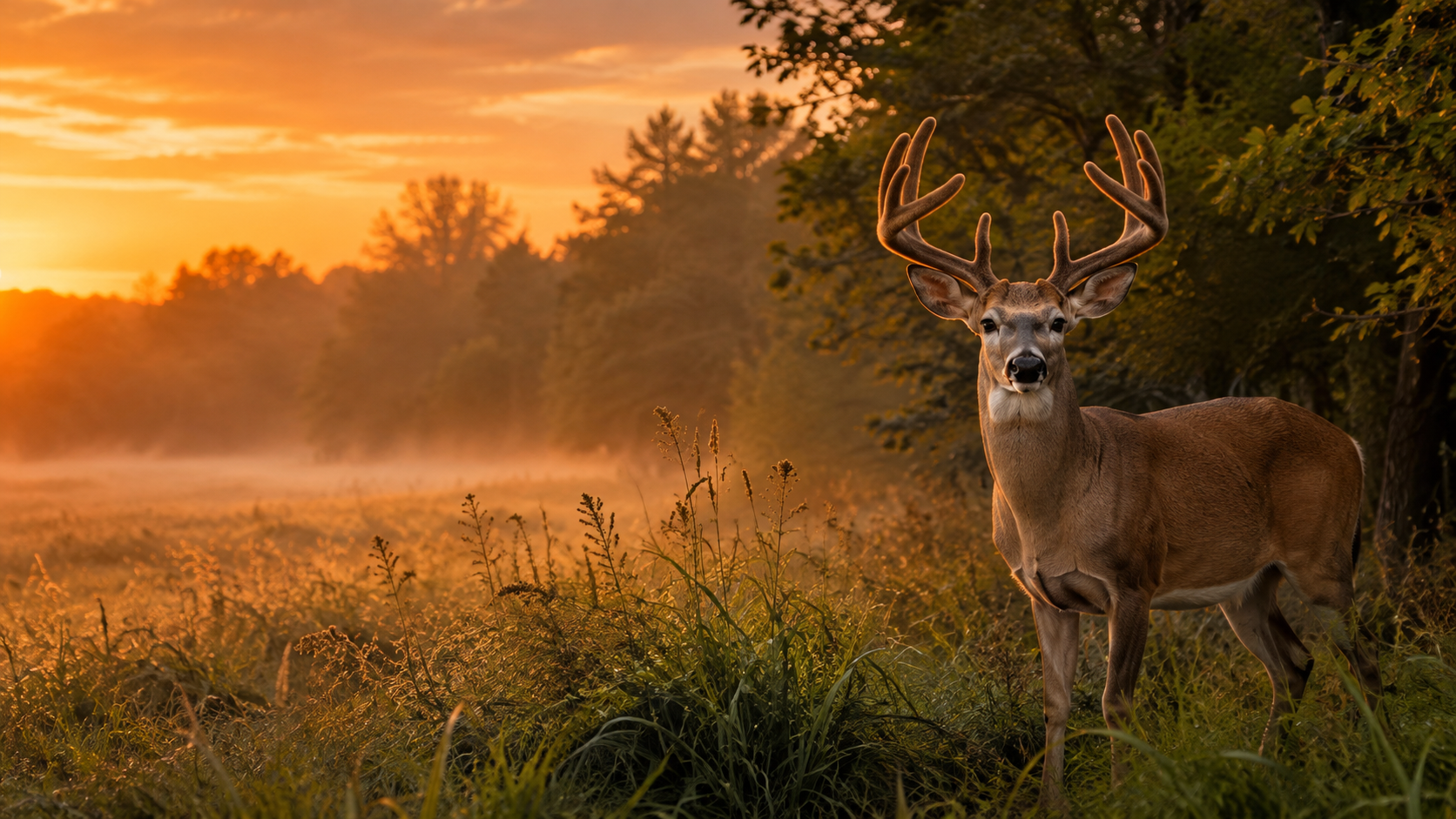
The first cool morning hasn't arrived yet.
Leaves are still green. Bucks are carrying velvet. In much of whitetail country, summer is still hanging on.
But deer season is coming.
For serious whitetail hunters, opening day isn't when the season begins. The season starts weeks before you ever climb into a stand.
Late summer and early fall are when you learn which bucks are using the property, identify food and bedding areas, prepare stands, check access routes, organize equipment, confirm your shooting setup, and start piecing together the movements of the deer you'll be hunting later in the year.
The work you put in during the preseason can make the difference between spending October wondering where the deer went and already knowing where you need to be.
Whether you're hunting private ground, public land, a family deer camp, or traveling to a new hunting property this fall, here are the things every whitetail hunter should be doing before the 2026 deer season gets underway.
Key Takeaways
- Scout aggressively with your eyes, but cautiously with your boots.
- Identify the relationship between food, bedding, water, and travel corridors.
- Prepare several stand locations instead of relying on one setup.
- Build entry and exit routes before hunting pressure begins.
- Use trail cameras to identify patterns, not just collect buck pictures.
- Check every piece of hunting equipment before the season.
- Practice realistic shots using the gear you'll actually hunt with.
- Avoid unnecessarily pressuring your best areas before opening day.
- Keep watching food sources because whitetail patterns can change quickly as fall approaches.
- Always confirm current hunting regulations for the state and property where you plan to hunt.
1. Start Your Preseason Whitetail Scouting Now
One of the biggest advantages a hunter can have is knowing how deer are using a property before hunting pressure changes their behavior.
Late summer is a great time to begin.
The key is gathering information without turning your hunting property upside down.
Start from a distance whenever possible.
Glass agricultural fields, food plots, clear-cuts, and field edges during the evening. Look for bachelor groups of bucks entering feeding areas and pay attention to where they appear from the timber.
Then start asking questions.
Where are they bedding?
What route are they taking to the food?
Are they using the same field corner every night?
Is there a creek, ditch, fence gap, or terrain feature directing their movement?
Are they entering the field before dark or waiting until after shooting light?
That information is far more valuable than simply knowing that a buck exists.
Look for These Whitetail Scouting Features
During preseason deer scouting, pay special attention to:
- Field corners
- Creek crossings
- Saddles
- Fence gaps
- Timber edges
- Oak flats
- Food plots
- Agricultural fields
- Water sources
- Old logging roads
- Thick bedding cover
- Brushy points
- Trail intersections
- Terrain funnels
- Pinch points
Successful whitetail hunting usually comes down to understanding how deer move between important areas.
2. Find the Food Before the Deer Find It
Whitetail movement revolves heavily around food.
But one of the most important preseason lessons is that the food deer are eating today may not be the food they're eating three weeks from now.
Late-summer deer may be concentrating on:
- Soybeans
- Clover
- Alfalfa
- Agricultural crops
- Native browse
- Fruit trees
- Summer food plots
Then fall arrives.
Acorns begin dropping. Crops mature or get harvested. Apples fall. Browse changes. Food plots transition.
Suddenly, a property that was loaded with deer can appear empty.
The deer didn't necessarily disappear.
Their food source changed.
Scout Future Food Sources
While scouting current deer activity, also identify food that may become important later.
Look for:
- White oak and red oak areas
- Apple trees
- Chestnuts
- Persimmons where common
- Corn
- Brassicas
- Clover
- Browse near bedding cover
If you're able to identify several potential food sources before season, you'll be in a much better position when deer movement changes.
3. Identify Bedding Areas Without Blowing Them Out
Finding bedding cover can unlock an entire property.
Disturbing it repeatedly can ruin that advantage.
Mature bucks often prefer areas where they feel secure, particularly once hunting pressure increases.
Potential bedding areas can include:
- Thick young forest
- Swamps
- Marsh edges
- Overgrown fields
- Clear-cuts
- Brushy hillsides
- Creek bottoms
- Leeward ridge systems
- Islands of heavy cover
- Dense timber points
You don't necessarily need to walk directly into a suspected bedding area.
Use maps, terrain, historical observations, trail-camera information, tracks, previous-season rubs, and visual scouting to determine where deer are likely spending daylight hours.
Then focus on the routes connecting bedding cover with food.
The Bedding-to-Food Connection
Think of your hunting property as a system:
BEDDING → STAGING AREA → TRAVEL CORRIDOR → FOOD
The closer you move toward bedding, the greater your chances may be of seeing a deer during daylight.
But the closer you move toward bedding, the greater your risk of alerting that deer.
Finding the right balance is one of the most important parts of whitetail hunting.
4. Plan Your Stand Access Before You Hang the Stand
Hunters love talking about stand location.
They don't talk nearly enough about how they're getting there.
A great stand can be ruined by a bad access route.
Imagine having a mature buck regularly traveling past your setup at 6:30 p.m., but every afternoon at 4:00 p.m. you walk across the same trail he's using to get there.
That's a problem.
When planning your 2026 whitetail setups, think about entry and exit before deciding exactly where the stand belongs.
Your Access Route Should Consider
- Wind direction
- Bedding areas
- Food sources
- Major deer trails
- Noise
- Visibility
- Terrain
- Creek beds
- Ditches
- Field edges
- Roads
- Parking areas
Sometimes the best stand isn't the one closest to the deer.
It's the stand you can get into without the deer knowing you're there.
For hunters who don't already have a permanent setup, ShantyBB™ also makes it possible to explore available hunting stands in areas where they plan to hunt.
The goal is the same whether you're hanging your own stand or using one already positioned on a property: get into the right location without educating the deer before the hunt even begins.
5. Prepare Multiple Whitetail Stand Locations
One of the easiest ways to ruin a productive area is hunting it regardless of conditions.
Don't depend on one stand.
Prepare several options for different winds, weather conditions, and stages of deer season.
Early-Season Stand
Concentrate on food patterns and bedding-to-feeding travel.
Evening Stand
Position near staging cover or travel corridors leading toward evening food.
Morning Stand
Focus on routes deer may use while returning toward bedding areas.
Rut Stand
Funnels, creek crossings, saddles, pinch points, and travel routes between areas holding does become increasingly important.
Backup Stand
Every property should have at least one location that allows you to hunt when the wind is wrong for your best setup.
Being patient enough to wait for the correct conditions is often more productive than hunting your favorite stand simply because you have the day off.
And not every property calls for an elevated setup.
In areas with thick cover, field edges, food plots, younger hunters, or hunters who simply prefer a ground-level approach, a well-positioned hunting blind can provide another effective option while keeping movement concealed.
6. Use Trail Cameras to Learn Something
Trail cameras are one of the most powerful tools available to modern deer hunters.
But there's a difference between using trail cameras for scouting and simply collecting pictures.
Every camera should ideally answer a question.
What bucks are using the property?
Place cameras around late-summer feeding areas.
Where are deer traveling?
Set cameras along funnels, crossings, trails, and terrain features.
When are deer moving?
Study timestamps and patterns over several days.
Which direction are they traveling?
Look beyond individual photographs and study sequences.
Is the pattern changing?
Compare activity week to week.
A mature buck photographed ten nights in a row at 2:00 a.m. isn't necessarily telling you where to hunt.
A buck appearing consistently 20 minutes before sunset while traveling from the same direction is providing much more useful information.
Use trail cameras to help build a pattern.
7. Don't Put Too Much Faith in Velvet Buck Patterns
That giant velvet buck feeding in the same soybean field every evening can make August exciting.
Just remember:
September and October can tell a very different story.
As summer transitions into fall, whitetail behavior begins changing.
Bucks shed velvet.
Bachelor groups begin breaking apart.
Food sources change.
Hunting pressure starts.
Daylight becomes shorter.
Fall ranges begin developing.
Rub and scrape activity increases.
The buck you're watching now may still be around when your season opens, but don't assume his exact summer pattern will continue indefinitely.
Continue scouting.
Watch for the change.
Sometimes recognizing when a buck changes his pattern is more important than discovering the original pattern.
8. Trim Shooting Lanes Now
If you already know where you'll be hunting, preseason is the time to handle reasonable stand maintenance.
Do not wait until opening morning to discover that a branch blocks your best shooting opportunity.
Check:
- Shooting lanes
- Stand access
- Trail obstructions
- Blind visibility
- Safe climbing routes
- Ground vegetation
- Quiet entry paths
Keep alterations reasonable.
You're trying to make the location huntable without transforming the woods so dramatically that deer become uncomfortable using it.
And always make sure any cutting or vegetation work is legal and permitted on the property you're hunting.
9. Inspect Every Tree Stand and Safety Harness
Whitetail preparation isn't only about finding deer.
It's also about getting home safely.
Before the season begins, inspect:
- Tree stand platforms
- Seats
- Cables
- Straps
- Chains
- Fasteners
- Climbing sticks
- Ladder sections
- Lifelines
- Safety harnesses
- Connection points
Weather, UV exposure, animals, moisture, and time can all affect equipment.
Never assume that a stand left in the woods since last season is automatically safe.
Use a properly fitted full-body fall-arrest system and follow the manufacturer's instructions for your stand and climbing equipment.
No deer is worth taking unnecessary chances over.
10. Get Serious About Scent and Wind
Whitetail hunters can argue endlessly about scent-control products.
One thing isn't debatable:
The wind matters.
A whitetail's nose is one of its greatest defenses.
Your preseason preparation should include understanding the prevailing winds on the property and determining which stands can be hunted under different conditions.
Create a simple mental system:
North wind = these stands
South wind = those stands
West wind = this access route
East wind = stay out of that bedding area
You don't necessarily need a complicated strategy.
You need discipline.
A perfect trail-camera picture doesn't mean much if your scent is blowing directly into the area that deer are coming from.
11. Prepare Your Hunting Clothes and Boots
The week before deer season isn't the time to discover:
- Your boots leak
- Your jacket no longer fits
- Your gloves are missing
- Your rain gear tore last season
- Your headlamp batteries are dead
Lay everything out before opening day.
Whitetail Hunting Clothing Checklist
- Early-season lightweight clothing
- Mid-layer
- Insulating layer
- Rain gear
- Hunting boots
- Extra socks
- Gloves
- Hat
- Blaze orange where required
- Face covering if desired
- Backpack
Late-summer and early-season hunts can still be hot in many parts of the country.
Don't prepare only for cold November mornings.
12. Check Your Bow or Firearm Now
Your hunting weapon shouldn't come out of storage the night before opening day.
Bowhunters should inspect:
- Strings
- Cables
- Sights
- Rest
- Arrows
- Nocks
- Broadheads
- Release
- Quiver
Firearm hunters should inspect:
- Optics
- Scope mounts
- Sling
- Action
- Ammunition
- Zero
The goal isn't simply making sure your equipment works.
You want it to feel familiar before you're using it with a deer standing in front of you.
13. Practice the Shots You'll Actually Take
A perfect backyard shot at a known distance doesn't always resemble a hunting situation.
Practice realistically.
Bowhunters should practice from several distances and positions while wearing the clothing they expect to hunt in.
If you hunt from an elevated position, practice elevated shots where it can be done safely.
Firearm hunters should become comfortable shooting from practical field positions and using the support systems they'll have available while hunting.
Most importantly:
Know your limits.
A responsible hunter doesn't ask:
"How far can I hit a target?"
The better question is:
"At what distance can I make this shot confidently and consistently under hunting conditions?"
14. Organize Your Whitetail Hunting Pack
Opening morning has a funny way of exposing everything you forgot.
Build your pack early.
Deer Hunting Gear Checklist
Consider packing:
- Hunting license
- Tags
- Identification
- Headlamp
- Backup flashlight
- Extra batteries
- Rangefinder
- Binoculars
- Knife
- Gloves
- First-aid supplies
- Water
- Snacks
- Phone
- Portable battery pack
- Compass
- Offline maps
- Marking material where legal
- Field-dressing equipment
- Drag rope or retrieval equipment
- Rain protection
Your exact gear will depend on where and how you hunt.
The point is simple:
Figure it out before opening morning.
15. Check Property Boundaries
Modern mapping apps have made property research easier than ever, but preseason hunters should still understand exactly where they are allowed to hunt.
Review:
- Property lines
- Roads
- Neighboring parcels
- Public/private boundaries
- Parking locations
- Access restrictions
- Property-specific rules
If you're hunting someone else's land, verify permission and understand any conditions the property owner has established.
Good hunting access is valuable.
Treat it that way.
16. Start Watching for Fall Whitetail Sign
As summer begins giving way to fall, the woods start leaving clues.
Watch for:
- Fresh rubs
- Scrapes
- Tracks
- Droppings
- New trails
- Changed trail-camera movement
- Increased buck activity
- Fresh feeding sign
One fresh rub isn't necessarily enough to relocate your entire hunting strategy.
But multiple pieces of fresh sign appearing in the same area may be telling you something.
The closer you get to deer season, the more important fresh information becomes.
17. Prepare for Early-Season Whitetail Hunting
Early-season deer hunting often revolves around relatively simple fundamentals:
Food. Bedding. Wind. Timing.
Compared with the unpredictability of the rut, early-season deer may still be following recognizable patterns.
That creates opportunity.
Look for bucks using:
- Evening food sources
- Staging areas
- Secluded water
- Bedding-to-feeding trails
- Interior field corners
- Oak areas once mast begins falling
The biggest mistake is becoming too aggressive too early.
Sometimes one careless hunt can alter a buck's daylight behavior.
Don't burn your best property in September because you couldn't wait for the right conditions.
18. Begin Preparing for the Rut Before the Rut
November gets most of the attention.
But your rut strategy should begin long before November arrives.
Now is the time to identify the terrain bucks may use when they begin covering more ground.
Look for:
- Saddles
- Creek crossings
- Funnels
- Pinch points
- Fence gaps
- Inside corners
- Ridgetop travel routes
- Connecting cover
- Routes between doe bedding areas
Once rut activity increases, bucks can become much less predictable.
Terrain often isn't.
A natural funnel that concentrates deer movement in September may become even more interesting when bucks start traveling farther in search of does.
19. Have a Plan for Deer Retrieval
Hunters spend months preparing for the shot and sometimes very little time planning what happens afterward.
Before deer season, think about:
- Terrain
- Distance from roads
- Dragging equipment
- Game carts where permitted
- Help from hunting partners
- Vehicle access
- Processing
- Cooling the animal
- Local regulations regarding transport
If you're hunting several miles from your vehicle, retrieval should be part of your hunt plan before you pull the trigger or release an arrow.
20. Traveling for Whitetail Season? Plan Early
For many hunters, whitetail season means something bigger than an afternoon hunt close to home.
It means deer camp.
A cabin.
A hunting lodge.
A long drive with friends or family.
A week in a place you've been looking forward to visiting all year.
If you're traveling for the 2026 whitetail season, preseason is the time to start planning where you're going to stay.
Hunters often need more than a traditional hotel room.
They may want:
- Rural lodging
- Cabins
- Hunting camps
- Trailer parking
- Space for equipment
- Easy access to hunting country
- Outdoor-friendly hosts
- A place where muddy boots and an early alarm aren't out of place
For multi-day hunts, ShantyBB™ lets hunters explore hunting lodges and other outdoor-focused stays built around the kind of trips traditional vacation-rental platforms don't always understand.
The closer you can stay to the land you're hunting, the less time you spend driving and the more time you spend where you came to be—the woods.
21. Check the 2026 Deer Hunting Regulations
Before heading into the woods, confirm the current deer hunting regulations for the state and specific area where you'll be hunting.
Whitetail regulations can vary by:
- State
- County
- Wildlife management unit
- Hunting zone
- Public property
- Weapon type
- Season
- Antlered or antlerless harvest
- Special permits
Review the official regulations for:
- Season dates
- Legal shooting hours
- Bag limits
- License requirements
- Tag requirements
- Antler restrictions
- Blaze-orange requirements
- Baiting regulations
- Trail-camera regulations
- Harvest reporting
- CWD restrictions
- Carcass transportation
- Property-specific regulations
Never assume last year's rules are automatically the same this year.
Your 2026 Whitetail Preseason Checklist
Before opening day:
- Review 2026 hunting regulations
- Purchase licenses and permits
- Confirm deer tags
- Review property boundaries
- Scout food sources
- Identify bedding cover
- Locate travel corridors
- Check trail cameras
- Review summer buck patterns
- Identify changing fall food sources
- Prepare several stand locations
- Plan stand access routes
- Plan exit routes
- Check prevailing winds
- Trim shooting lanes where legal
- Inspect tree stands
- Inspect safety harnesses
- Check climbing equipment
- Inspect bow or firearm
- Practice realistic shots
- Confirm hunting clothing
- Check boots
- Organize hunting backpack
- Replace batteries
- Prepare field-dressing equipment
- Plan deer retrieval
- Confirm travel accommodations
- Get ready to hunt
Frequently Asked Questions About Whitetail Preseason Preparation
When should I start preparing for whitetail deer season?
Ideally, hunters should begin serious preseason preparation several weeks before opening day. Late summer is an excellent time for scouting, checking trail cameras, preparing stands, identifying food sources, reviewing access routes, and inspecting equipment.
What should I look for when scouting whitetail deer before the season?
Focus on the relationship between food, bedding cover, water, and travel corridors. Field corners, creek crossings, saddles, funnels, fence gaps, timber edges, and staging areas can all help reveal how deer are moving through a property.
Should I scout deer bedding areas before the season?
Knowing where bedding areas are located can be extremely valuable, but repeatedly entering them may create unnecessary pressure. Whenever possible, identify likely bedding cover using terrain, maps, observations, trail cameras, and surrounding sign rather than constantly walking through it.
Where should I put trail cameras before deer season?
Late-summer food sources can help determine which bucks are using a property. As the season approaches, cameras placed on travel corridors, funnels, crossings, and routes between bedding and food may provide more useful hunting information.
Do whitetail bucks change their patterns after summer?
Yes. Whitetail movement can change considerably as bucks shed velvet, bachelor groups separate, food sources change, hunting pressure increases, and fall behavior develops. A buck's August pattern shouldn't automatically be expected to continue throughout the season.
What is the best early-season whitetail strategy?
Early-season hunting often focuses on predictable movement between bedding and food, particularly during evening hunts. Hunters should pay close attention to wind direction, staging areas, changing food sources, and avoiding unnecessary pressure.
How many deer stands should I prepare?
There is no perfect number, but having multiple hunting locations for different winds and seasonal conditions provides much more flexibility than relying on a single stand.
Deer Season Is Won Before Opening Day
There's something about the first morning of deer season that never gets old.
The alarm goes off hours before daylight.
Coffee gets poured.
Boots hit the ground.
And for the first time in months, you're walking into the woods carrying more than a trail camera.
But what happens that morning often started weeks earlier.
It started when you noticed the trail coming out of the bedding cover.
When you found the oak flat.
When you moved the camera.
When you chose a quieter access route.
When you decided not to hunt a stand because the wind wasn't right.
When you practiced one more evening instead of assuming you were ready.
Whitetail hunting rewards preparation.
You can't control the wind.
You can't control the weather.
And you definitely can't control a mature buck.
But you can control how prepared you are when everything finally comes together.
The 2026 whitetail season is almost here.
The work starts now.
Find Your Next Hunting Setup on ShantyBB™
Whether you're looking for a hunting stand, a hunting blind, or a hunting lodge for a multi-day trip, ShantyBB™ is built to help outdoorsmen find the places and equipment that make time outside possible.
Explore ShantyBB™ and start planning your next hunt.
By Outdoorsmen. For Outdoorsmen.™